Beneath the surface
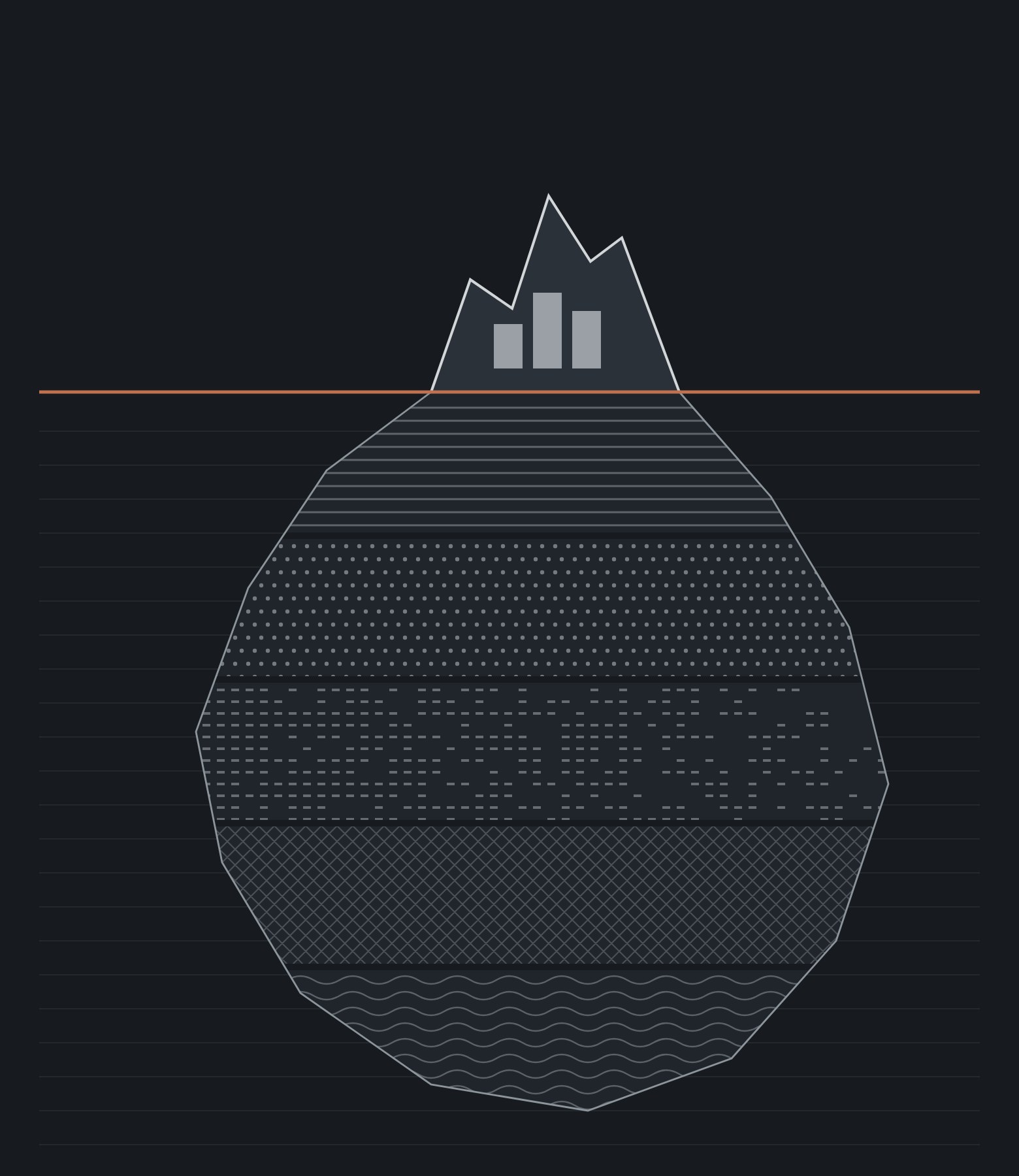
Military posture, force deployments and defence budgets are merely the visible end of security.
How societies remember their past, how cohesive they are, how their populations age and move, and how their economies and information spaces change all shape what states can do and what citizens will tolerate.
These factors influence escalation risks, regime durability and cross-border relations over a five-to-twenty-year horizon.
How we work · Method
We adapt by design.
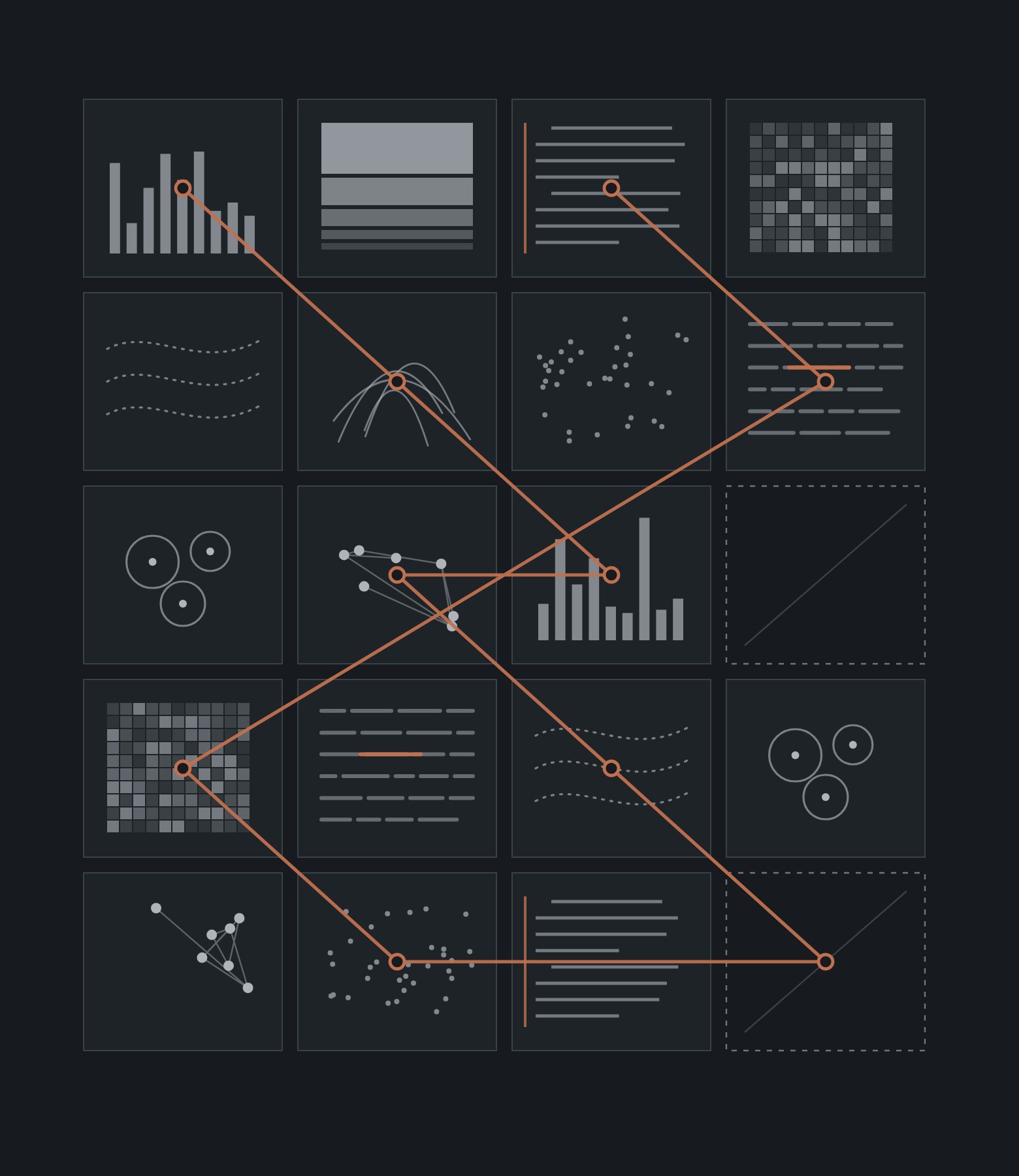
We combine quantitative and qualitative work, including partnerships with exile research groups and independent pollsters.
Quantitative
- Regional statistics
- Budget analysis
- Court and legal databases
- Satellite imagery
- Shipping and flight data
Qualitative
- Discourse analysis
- Ethnography with emigrant communities
- Expert elicitation
All with transparent treatment of methodological limits.
Principles
What guides us.
Analytical independence
Independence from governments, including funders, with publicly stated safeguards.
States, not societies
We analyse regimes and populations separately and avoid treating whole societies as threats.
Duty of care
Strict protocols protect interviewees, partners and sources, many of whom face serious legal risk when sharing their insights with us.
Epistemic humility
Findings carry explicit statements of uncertainty, especially given restricted data.
Long horizon
While we share the results of our work regularly, we resist being pulled into news-cycle commentary.