
Central & Eastern Europe · Since 2014
Europe’s eastern border has become a front.
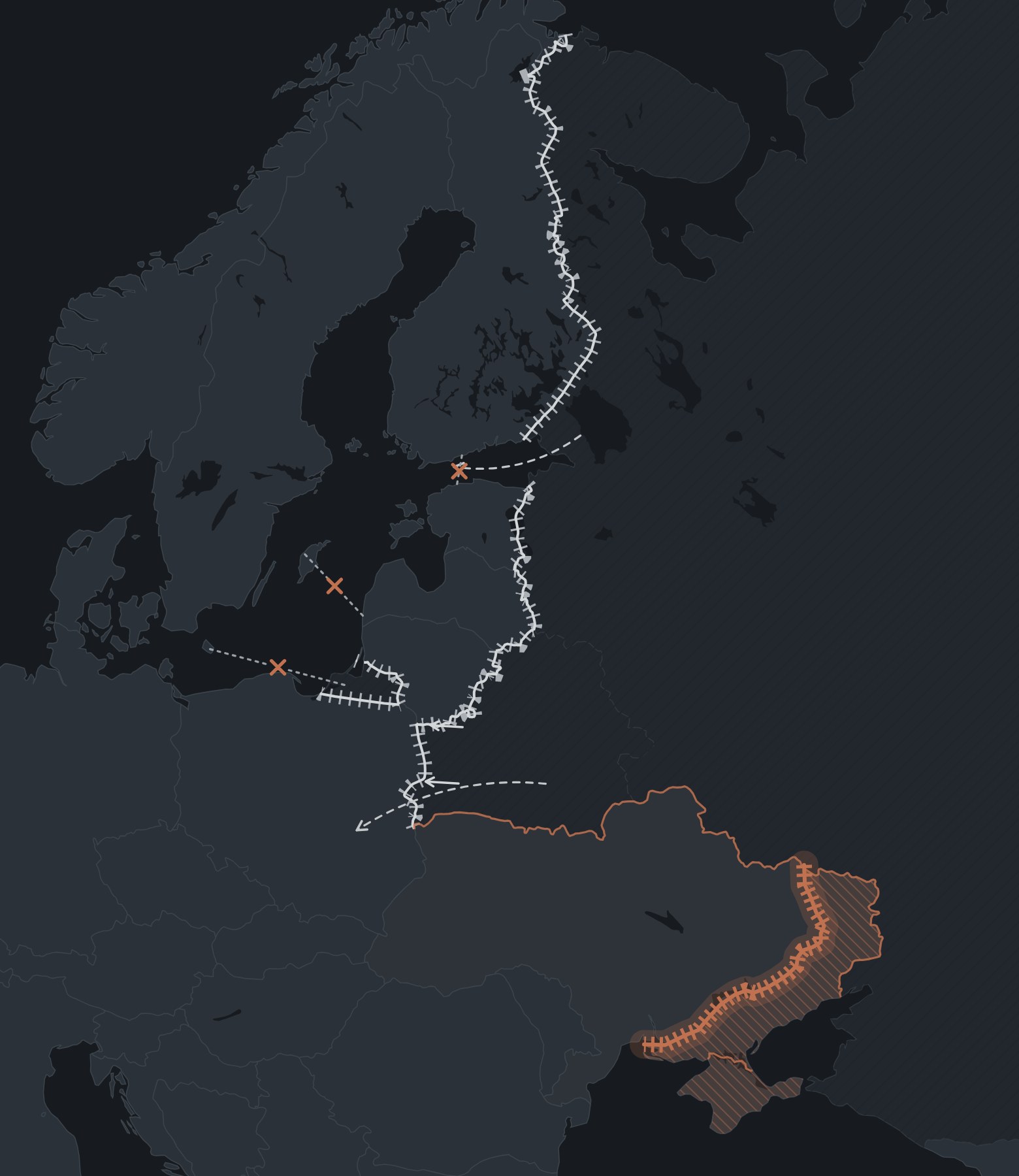
Since 2014, borders have either hardened or turned into ferocious battlefields across vast territories. From the North Pole to the Black Sea, existing division lines have become some of the most militarily and politically charged in Europe.
Instrumentalised migration
Airspace incidents
Maritime & land sabotage
Pressure is not only hybrid — it is increasingly kinetic.
Russia & Belarus · After 2020–2022
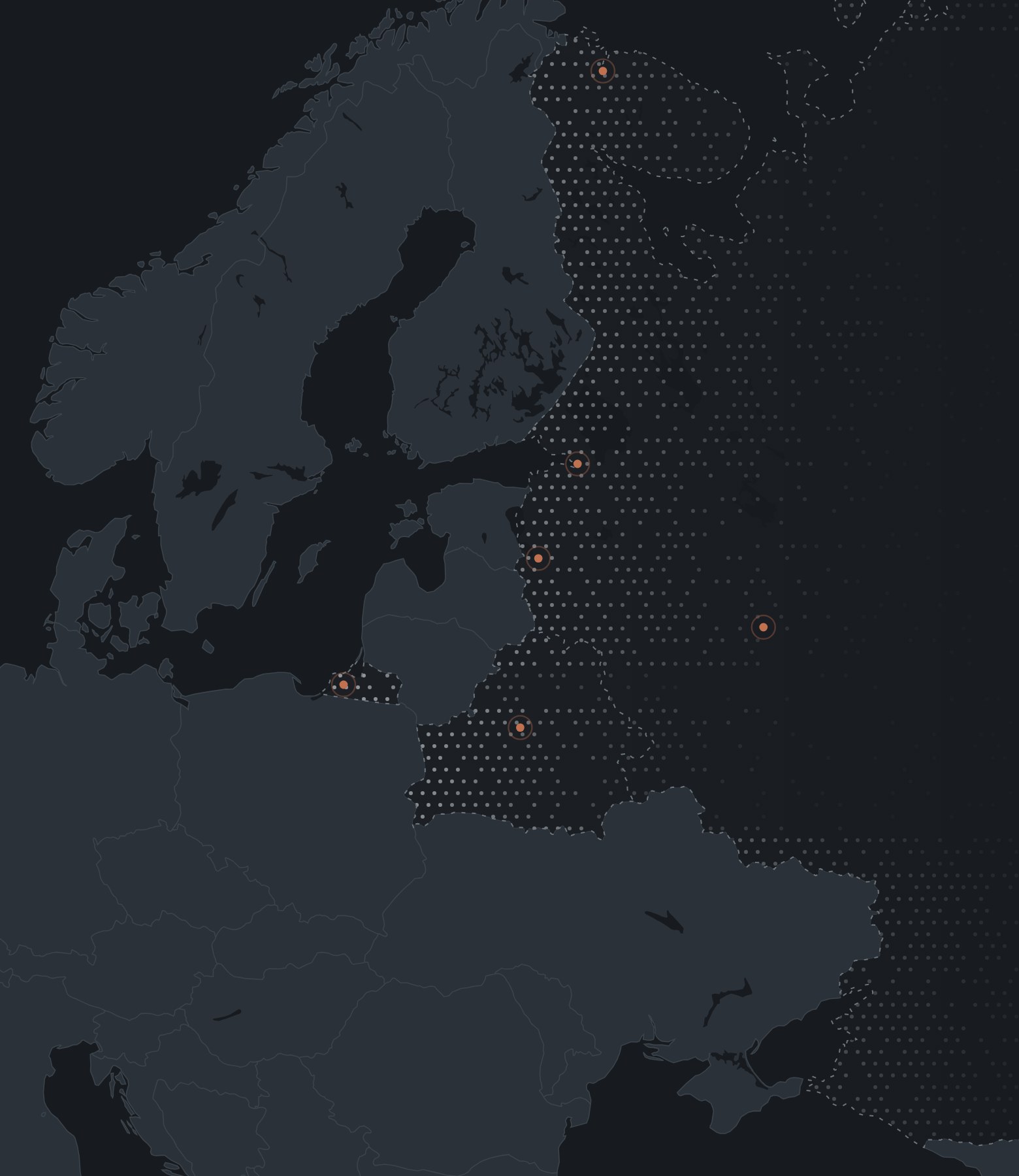
Visibility has fallen.
Fieldwork, independent polling and academic exchange have become sharply restricted in Russia and Belarus. Analysts risk working from assumptions formed before 2020–2022 under ever-changing circumstances.
Fieldwork
Qualitative & quantitative measuring
Academic exchange
Field experience, human networks and fresh methods are needed to keep an accurate picture.
Societies · Long-term effects
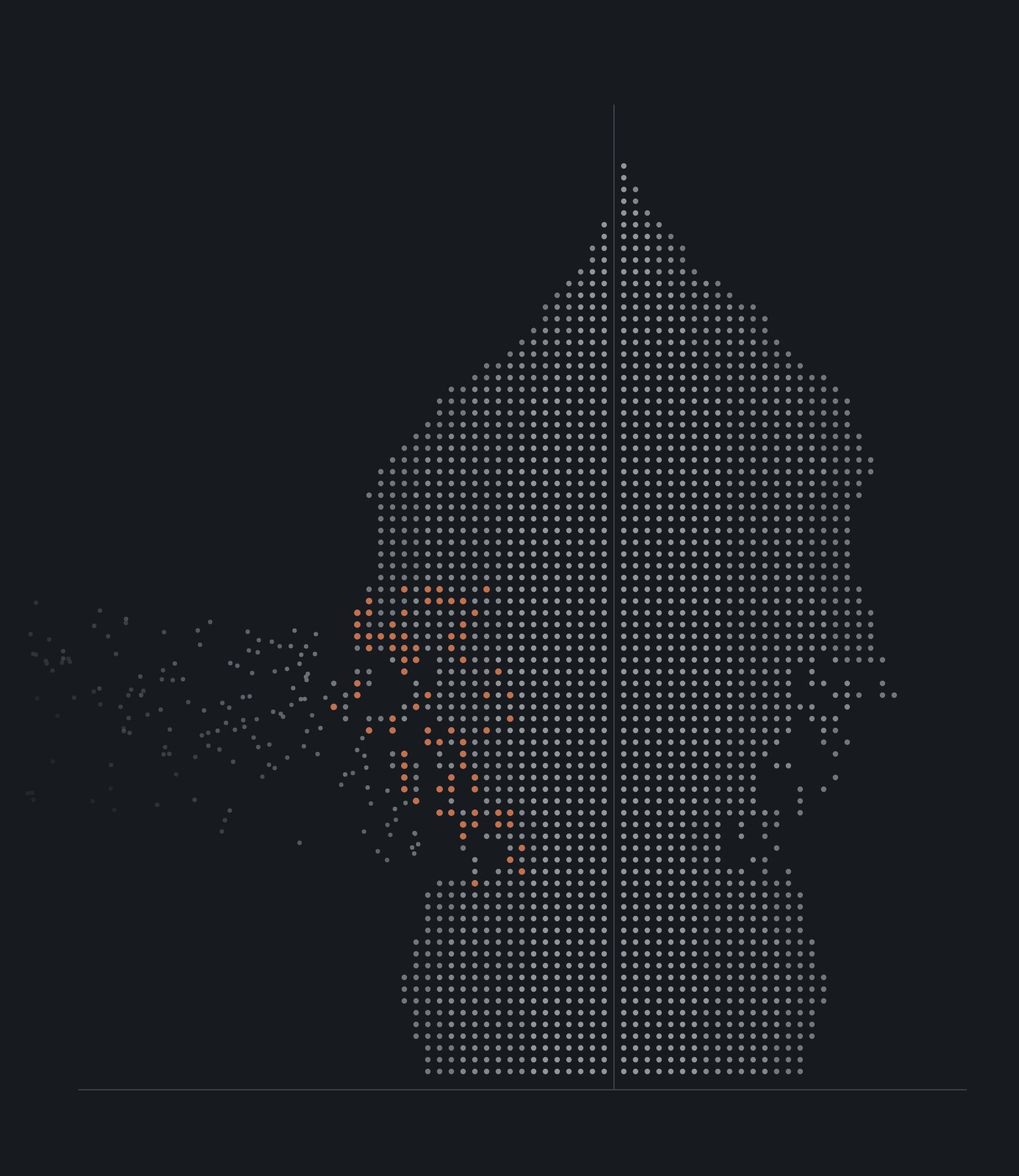
Long-term effects are building up.
Migration, war casualties, resource scarcity and economic reorientation away from Europe get emboldened by aggressive memory policies and other types of social engineering.
Migration
War casualties
Economic reorientation
Societies are being reshaped in ways that will outlast any single political leadership.
What we do · Foresight
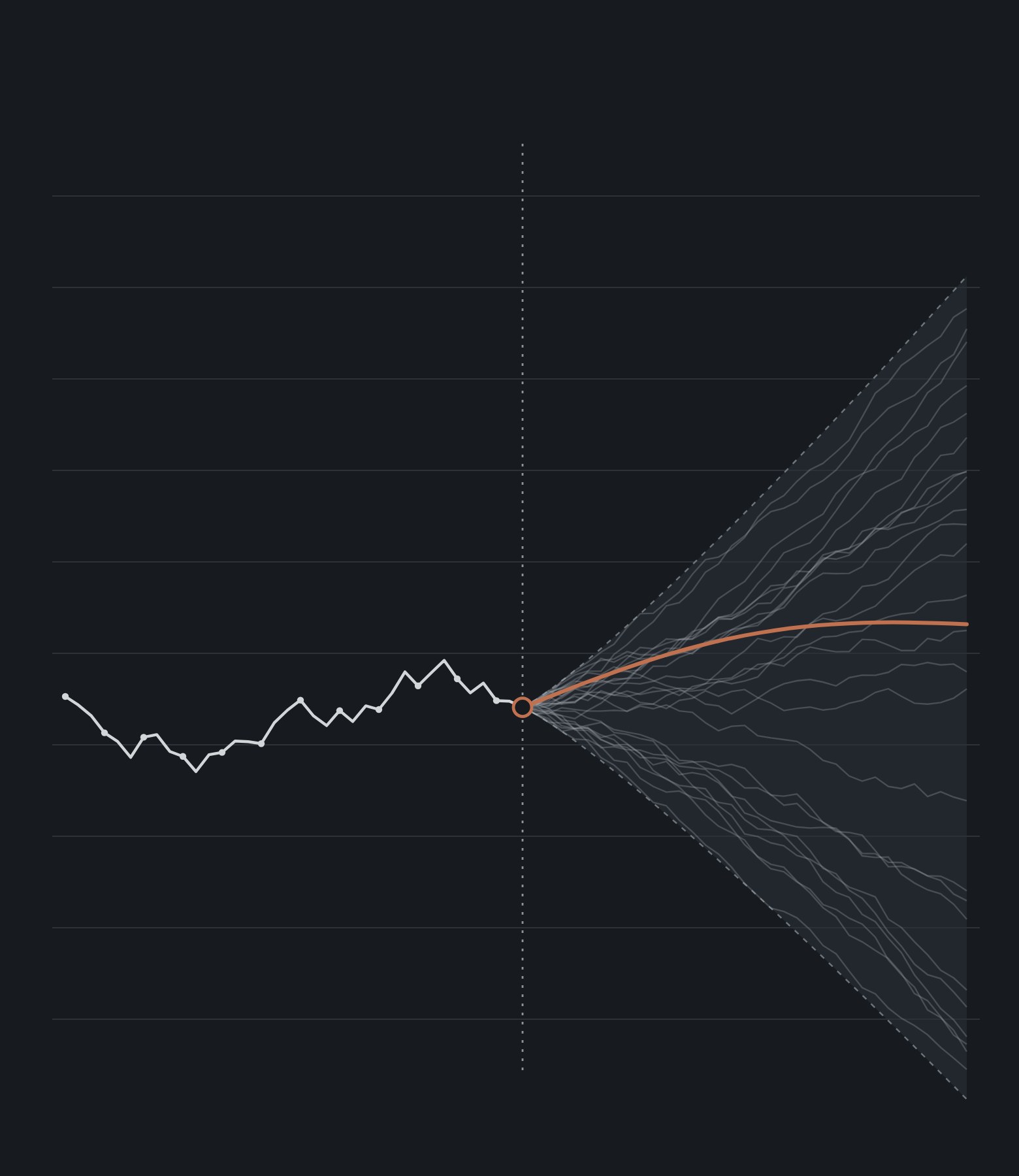
Policy needs foresight, not just monitoring.
Cognifare helps governments, businesses and other institutions identify long-term trends by looking at current social, economic and cultural developments in areas impacted by Russia’s and other actors’ confrontational policies.
Governments
Businesses
Think-tanks & academia
Latest analysis
Reading the eastern flank
New analysis will appear here once posts are published.